Handbrush Font for Web Design
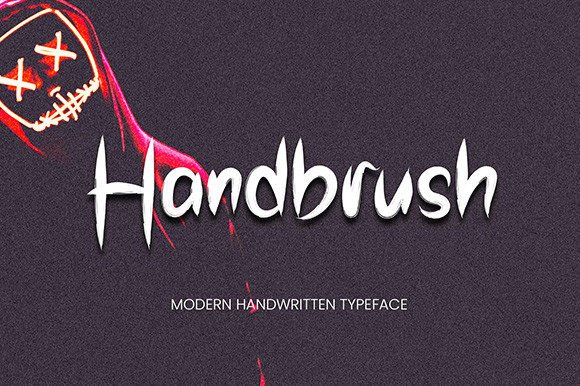
Handbrush is a script font that brings a personal, elegant touch to digital design. Its flowing strokes and soft curves make it ideal for web projects that need a humanized feel without sacrificing clarity. As a web designer, you’ll find Handbrush particularly useful when balancing visual appeal with functional typography.
The font’s handwritten style adds warmth to any layout, making it perfect for headers, logos, and decorative elements. It works well in both digital and print contexts, offering a versatile option for creative professionals. Whether you're designing a website, social media graphic, or brand asset, Handbrush provides a unique voice that stands out.
Handbrush in Web Layouts
Using Handbrush in web design can enhance the visual hierarchy of your site. It’s best suited for short, impactful text such as headlines, call-to-action buttons, and section titles. When used sparingly, it draws attention without overwhelming the reader. For example, on a creative portfolio site, Handbrush can be used in the hero section to introduce the brand’s personality.
On landing pages, Handbrush can elevate the tone of a product or service. A boutique online store might use it for a banner headline to create a sense of exclusivity. In a coaching website, it could appear in a CTA button to encourage engagement. The font’s readability makes it suitable for mobile screens, especially when paired with a clean sans serif for body text.
Brand Identity and Visual Hierarchy
Handbrush contributes to a strong brand identity by adding a distinct character to your digital presence. It’s especially effective for brands that want to convey authenticity, creativity, or a personal touch. When used consistently across a website, it helps reinforce brand recognition and trust.
In terms of visual hierarchy, Handbrush works best as a display font rather than body text. Its intricate details may reduce legibility at smaller sizes, so it’s important to use it in larger formats where it can shine. For instance, on a blog header or a course sales page, it can serve as a focal point that guides the user’s eye through the content.
Readability and Responsive Design
When using Handbrush on mobile devices, ensure there's enough space between letters and lines to maintain readability. On small buttons or dark backgrounds, consider adjusting the font size or contrast to avoid strain. Overlaying it on images requires careful placement to prevent it from blending into the background.
For responsive layouts, test how Handbrush appears on different screen sizes. Use CSS to control its appearance and ensure it scales properly. Pairing it with a simple sans serif like Arial or Helvetica can help balance its ornate style while maintaining clarity.
Font Pairing and Digital Branding
Pairing Handbrush with a modern sans serif creates a clean, professional look that’s ideal for business websites or SaaS platforms. This combination allows the script font to stand out while keeping the overall design cohesive. For editorial-style sites, pairing it with a serif font like Georgia or Times New Roman can evoke a more traditional, literary feel.
As a premium font, Handbrush offers multiple weights and styles, giving designers flexibility in their projects. Check the available file formats—such as OTF or WOFF—to ensure compatibility with your website’s platform. If the font includes alternate characters or ligatures, these can add subtle variations that enhance the design without disrupting readability.
Commercial Use and Licensing
When using Handbrush for commercial projects, verify the licensing terms to ensure compliance. Most fonts allow use on websites, but some may require additional licenses for client work or large-scale distribution. Always review the font’s end-user license agreement (EULA) before integrating it into a live project.
For online stores, landing pages, or digital templates, make sure the font is available as a webfont. This ensures it loads smoothly and looks consistent across all devices. If you’re creating a brand kit, include Handbrush as part of your typography system to maintain a unified visual language.
Practical Applications for Web Designers
Consider using Handbrush in a creative portfolio to highlight your work in a visually appealing way. On a digital ad, it can draw attention to key messages without appearing too formal. For a blog header, it adds a personal flair that complements the content’s tone.
Whether you're working on a product landing page, a coaching website, or a course sales page, Handbrush can add a unique touch that sets your design apart. Its elegance and charm make it a valuable addition to any digital toolkit, especially for projects that aim to connect with users on an emotional level.
By understanding how to use Handbrush effectively, you can enhance the visual appeal of your designs while maintaining usability and clarity. Its versatility and personality make it a standout choice for web designers looking to add a touch of sophistication to their work.